


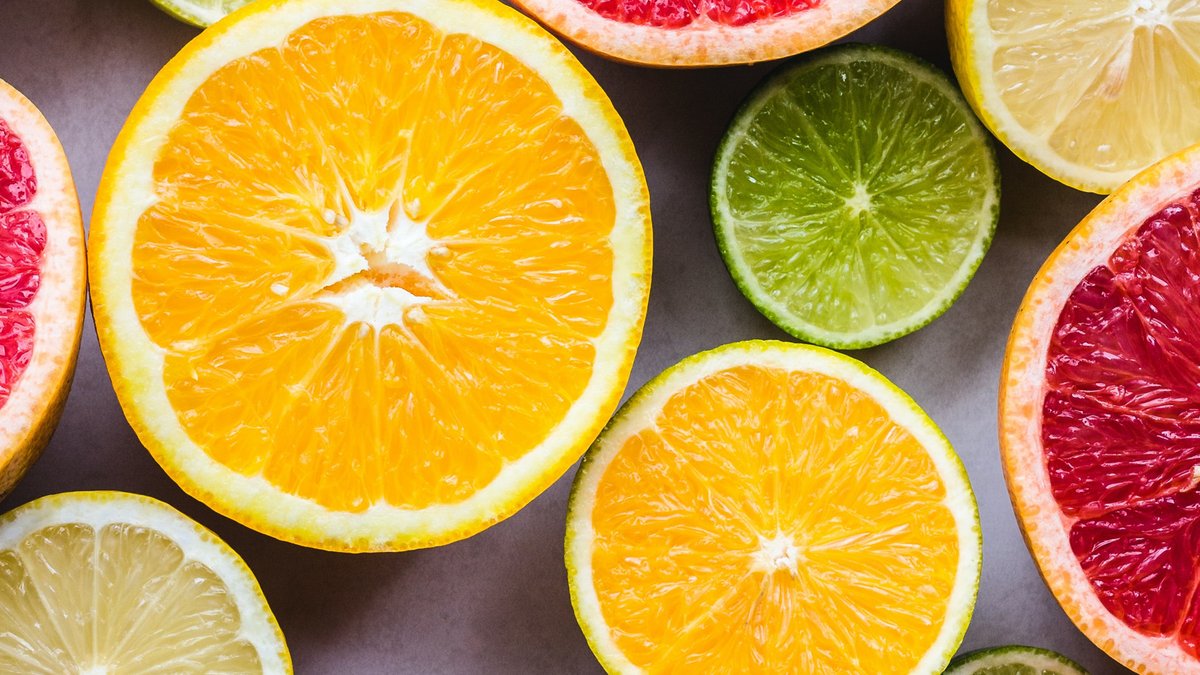
Biotechnology, precision agriculture, and advanced breeding are reshaping the future of citrus production. What was once a category dominated by traditional staples like orange and lemon has evolved into a complex ecosystem of hybrid fruits and novel flavor profiles. According to a recent report, these developments are creating significant new opportunities across the food and beverage industry as consumers increasingly seek unique, globally inspired flavor experiences.
Agri pressures driving change
The urgency for citrus innovation is driven by instability within global agriculture. Producers face pressure from climate volatility, water scarcity, disease outbreaks, and rising costs. Among the most serious threats is Huanglongbing (HLB), commonly known as citrus greening disease. This disease has devastated orchards in major citrus-producing markets. It significantly reduces yields, weakens fruit quality, and increases production costs, creating long-term concerns for manufacturers dependent on citrus ingredients.
These pressures are accelerating investment in advanced breeding technologies and biotechnology-driven solutions designed to improve resilience and yield stability. Heather West, global innovation programme director for the ‘Re-master Citrus’ initiative at IFF, believes these developments are becoming essential to the future viability of the category.
“Advances in biotechnology, such as genomic selection and gene editing, are allowing citrus hybrids to be developed faster and more precisely, combining resilience traits like disease tolerance with desirable flavor characteristics,” she explained. “These tools enable breeders to design citrus with targeted aroma, sweetness and bitterness profiles rather than relying on trial-and-error crosses.”
Related: Elizabeth, Colorado Vibrant Pizzeria: Buzzard’s Big Mouth Pizza
From clementines to engineered hybrids
Hybrid citrus fruits are not new; products such as clementines and tangelos have existed for decades through conventional crossbreeding. However, biotechnology is dramatically accelerating the sophistication and commercial potential of hybrid development. Researchers are increasingly using genomic sequencing, marker-assisted breeding, tissue culture propagation, precision phenotyping and advanced rootstock engineering to create more targeted citrus cultivars.
Emerging hybrid varieties are now being designed not only for agricultural resilience, but also for highly specific sensory outcomes. This evolution is unlocking a much broader range of flavor experiences. Among the profiles gaining traction are yuzu-lime hybrids, blood orange-mandarin combinations, grapefruit-pomelo crosses, floral citrus variants and lower-bitterness grapefruit cultivars.
According to Briony Rideout, senior beverage specialist at I.T.S., the implications for product developers are significant. “Advances in biotechnology are helping breeders develop new hybrid citrus varieties with improved flavor, color and aroma.” She added that these innovations are creating more distinctive citrus profiles, from sweeter and less bitter varieties to more complex flavor combinations that can inspire new food and drink products.
When diverse citrus line ages are crossed, metabolic pathways from each parent interact, often leading to non-linear outcomes in volatile and non-volatile composition. This creates opportunities for more distinctive sensory and nutritional profiles that resonate with health conscious consumers. Hybrid citrus varieties also pair particularly well with broader flavor fusion trends involving chili, botanicals, herbs, tea, florals, ginger and tropical fruits.
Flavor complexity and ingredient solutions
Related: New Post Available for Public Viewing
Flavor houses are not necessarily attempting to replicate hybrid fruits exactly. Instead, these new citrus varieties are often serving as inspiration for broader flavor architecture and product positioning. Chris Randles, senior flavorist at JPL, noted that demand for less familiar citrus profiles has risen sharply. “We’re seeing a clear rise in interest around hybrid and less familiar citrus profiles, driven by consumers looking for something beyond standard lemon, lime and orange.”
“Varieties like yuzu, calamansi and limequat bring a more complex flavor profile, such as sharper top notes, subtle bitterness and a more aromatic finish. This makes them attractive to product developers looking to stand out,” he added. This shift reflects a broader movement within flavor development where differentiation increasingly relies on layered sensory experiences rather than singular flavor notes.
Biotechnology is also transforming citrus innovation at the ingredient level. Véronique van Zyl, marketing director for LBI enzymes and aromas at Lallemand, said biotechnology is increasingly helping flavor manufacturers secure access to key citrus molecules with greater consistency and supply stability. “Rather than influencing the development of new citrus varieties, biotechnology today is primarily helping secure access to key citrus flavor molecules with consistent quality and sensory reliability,” she explained. “Fermentation-based approaches allow specific aroma compounds that are naturally present in citrus to be produced with a stable, reproducible profile, independent of seasonal or geographic variability.”
This is becoming increasingly important as climate disruption affects citrus harvests worldwide. Ingredient-level biotechnology contributes by reducing dependency on vulnerable raw materials. For flavor manufacturers, this offers an additional layer of supply security and quality consistency when citrus harvests fluctuate. The growing role of biotech-derived flavor ingredients reflects a wider shift within the industry toward supply resilience and formulation flexibility.


